

Why Frozen Pipes Are So Common on Long Island
#1 for Heating & Plumbing Services in Rockville Centre, NY
The forecast says a hard freeze is coming, and somewhere in the back of your mind you’re already dreading it. Maybe you’ve been through it before: a faucet that won’t run, a strange silence where water should be, and the sinking feeling that a pipe somewhere in your walls has frozen solid. For Long Island homeowners, that scenario isn’t rare. It’s practically a seasonal tradition.
If you’ve ever wondered why this keeps happening here specifically, and not just in far colder climates, you’re asking the right question. This guide explains exactly why frozen pipes are so common on Long Island, which parts of a Rockville Centre, NY home are most at risk, and what you can do to protect your plumbing before the next cold snap hits.
Book Online Book Online
Trust
Honesty and Doing The Right Thing is our gold standard.
Safety
We will assess the safety of every situation and always choose the safest way possible.
Service
We serve our customers, our suppliers, our community, and each other.
Our Rockville Centre Plumbing Services
Why Are Frozen Pipes So Common on Long Island?
Frozen pipes are common on Long Island because the region experiences sudden temperature swings rather than sustained deep cold, which means homes and plumbing systems aren’t always built with heavy winterization in mind. Combine that with older housing stock, coastal humidity, uninsulated crawl spaces, and aging pipe materials, and you get conditions where even a single overnight freeze can cause a pipe to crack or burst.
Long Island’s Climate Catches Homes Off Guard
Unlike northern regions that stay below freezing for months at a time, Long Island typically sees short, sharp cold snaps sandwiched between milder stretches. That inconsistency is part of the problem.
Sudden Temperature Swings Stress Plumbing Systems
When temperatures drop quickly overnight after a mild day, pipes don’t get a gradual warning. Water sitting in exposed or poorly insulated lines can freeze within just a few hours during a hard freeze, especially in unheated spaces like garages, crawl spaces, and attics.
Homes Aren’t Always Built for Deep Freezes
Because extended deep freezes are less common here than in colder states, many Long Island homes were constructed with less pipe insulation and fewer freeze-resistant design features. That’s a big contrast to homes in northern climates, where builders route piping through interior walls and heated spaces as standard practice.
Coastal Humidity Adds to the Problem
Being surrounded by water, Long Island homes deal with higher humidity and salt air, which can accelerate corrosion in older metal piping. Weakened, corroded pipes are more likely to crack under the pressure of freezing water. This is part of why we see recurring issues in some of the common plumbing problems in old homes throughout Rockville Centre and nearby villages.
Older Housing Stock Plays a Major Role
Rockville Centre and much of Nassau County are home to a large number of houses built in the mid-1900s or earlier. That character and charm often comes with aging plumbing infrastructure that wasn’t designed for today’s freeze risks.
Book Online Book OnlineGalvanized Steel and Aging Copper Pipes
Many older homes still have original galvanized steel or copper piping. Both materials are more rigid and prone to cracking under the pressure of expanding ice than modern alternatives. Decades of corrosion only make matters worse, thinning pipe walls from the inside out.
Additions and Renovations Create Weak Points
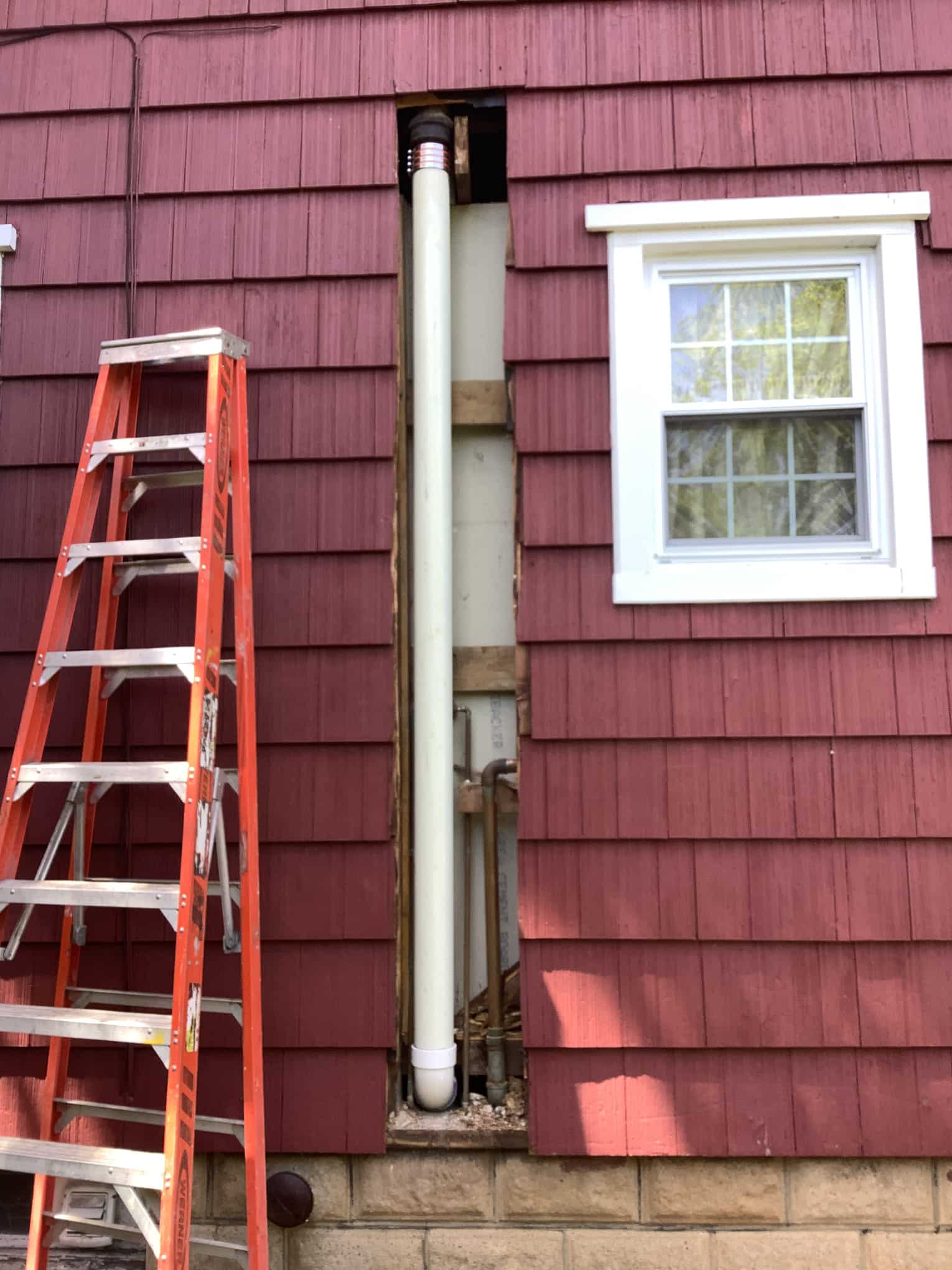
Home additions, finished basements, and DIY renovations sometimes route new plumbing through exterior walls or unheated spaces without proper insulation. Even a well-maintained home can have one or two vulnerable stretches of pipe hiding behind a wall.
Outdated Materials Increase Freeze Risk
Newer piping materials, like PEX, have more flexibility and can expand slightly under pressure, making them more resistant to freeze damage than rigid copper or galvanized steel. If your home still relies on original plumbing, upgrading through professional piping and repiping services in Rockville Centre is one of the most effective long-term solutions available.
The Riskiest Spots for Frozen Pipes in Long Island Homes
Not every pipe in your home faces the same risk. Certain areas are consistently more vulnerable, year after year.
- Unheated basements and crawl spaces, where insulation is often thin or missing entirely
- Attics, especially where pipes serve upstairs bathrooms and run near exterior roof lines
- Garages, particularly if water lines feed a utility sink or washing machine hookup
- Exterior walls, including pipes behind kitchen and bathroom cabinets on outside-facing walls
- Outdoor hose bibs and irrigation lines that weren’t properly shut off and drained before winter
If a pipe in any of these areas has failed before, or you’ve noticed banging or knocking sounds when water runs, it’s worth having it inspected. Persistent noise is often an early warning sign, which we cover in detail in why your water pipes are knocking and how to stop it.
How to Tell If a Pipe Has Already Frozen
Catching a frozen pipe before it bursts can save you from a much bigger repair. Watch for:
- No water, or only a trickle, from a specific faucet while others work fine
- Frost visible on an exposed section of pipe
- Bulging or slightly swollen sections of visible piping
- Unusual odors coming from drains or faucets, which can indicate a blockage caused by ice
- Cold air draft near a sink cabinet or wall where pipes are known to run
If you suspect a pipe has frozen, shut off the water supply to that fixture if possible, and avoid using an open flame to try to thaw it. Gentle heat, like a hair dryer on a low setting or warm towels, is a safer approach while you wait for professional help.
What Happens If a Frozen Pipe Bursts
A frozen pipe doesn’t always show damage right away. Ice can temporarily plug a crack, and the leak may not appear until the pipe thaws and water pressure returns to normal. That delayed reaction is part of what makes frozen pipes so dangerous. If you’re dealing with an active leak or suspect a pipe has already burst, our burst pipe repair team in Rockville Centre responds quickly to stop the damage before it spreads through your home.
Protecting Your Home From Future Freeze Damage
The good news is that frozen pipes are largely preventable with the right precautions.
- Insulate exposed pipes in basements, attics, crawl spaces, and garages before winter arrives
- Seal drafts around foundation penetrations, vents, and areas where pipes pass through exterior walls
- Keep your thermostat at a consistent temperature, even overnight or when you’re away
- Disconnect and drain outdoor hoses, and shut off interior valves feeding exterior spigots
- Open cabinet doors under sinks on exterior walls during extreme cold to let warm air circulate
- Schedule seasonal plumbing maintenance to catch weak joints, corrosion, and vulnerable pipe sections before a freeze hits. Our plumbing maintenance services are designed to identify exactly these issues.
- Consider repiping outdated sections of your home’s plumbing, particularly if you’re still working with original galvanized or aging copper lines
Frequently Asked Questions
Why do pipes freeze more often on Long Island than expected for the region’s climate?
Long Island’s weather brings inconsistent, sudden freezes rather than sustained cold, so many homes and older plumbing systems simply weren’t built with heavy winterization in mind, making them more vulnerable when temperatures do drop sharply.
How long does it take for a pipe to freeze?
In a hard freeze, an exposed or poorly insulated pipe can freeze in as little as six to eight hours, particularly in unheated spaces like garages and crawl spaces.
Can a frozen pipe thaw on its own without bursting?
It’s possible, but not guaranteed. Even if a pipe doesn’t crack while frozen, the repeated stress of freezing and thawing over multiple cold snaps can weaken it over time, increasing the risk of a future burst.
Is repiping worth it to prevent frozen pipes?
For homes with original galvanized steel or heavily corroded copper piping, repiping with modern, more flexible materials can significantly reduce freeze-related failures and is often a smart long-term investment, especially alongside other plumbing upgrades like water line services.
Should I let my faucets drip during a cold snap?
A slow drip can relieve pressure in a vulnerable line during extreme cold, but it’s a temporary measure, not a substitute for proper insulation, draft sealing, and addressing outdated piping materials.
Protect Your Pipes This Winter With Pride Services
Frozen pipes are a predictable part of Long Island winters, but the damage they cause doesn’t have to be. Whether you need seasonal insulation advice, are dealing with an active freeze right now, or it’s time to finally replace aging pipes with modern, freeze-resistant materials, Pride Services is here to help homeowners throughout Rockville Centre, NY stay ahead of the problem.
Contact Pride Services today or call us at (516) 717-0248 to schedule a plumbing inspection, or book online to get your home winter-ready before the next freeze arrives.


 All Service Areas